Why 10GbE Edge Network Appliances Are Becoming Essential in 2026
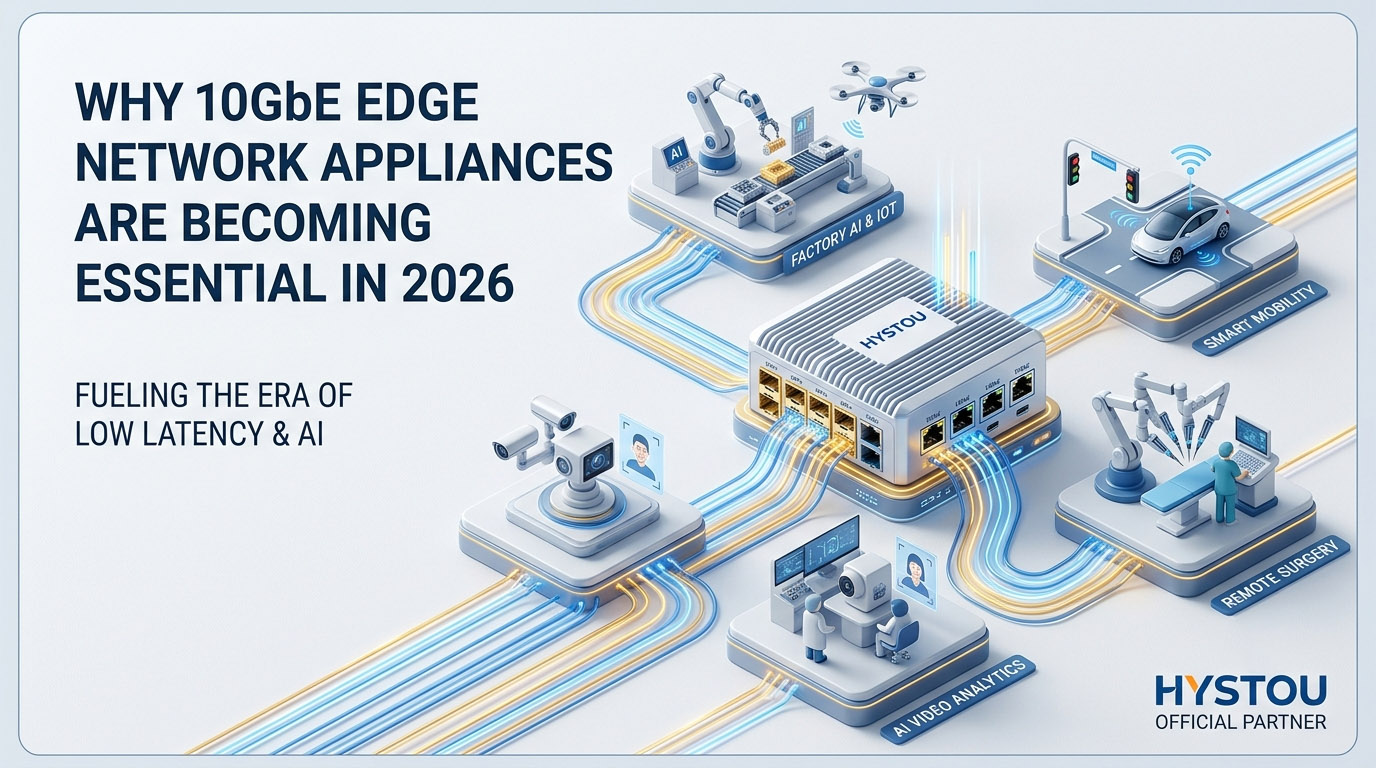
The digital infrastructure landscape is evolving faster than ever. As businesses continue adopting cloud services, artificial intelligence, industrial IoT systems, and high-bandwidth applications, traditional network appliances are increasingly struggling to keep pace.
For years, 1GbE networking was sufficient for most organizations. Today, however, data volumes, edge computing workloads, and security requirements have grown dramatically. Enterprises need faster, smarter, and more scalable infrastructure that can process and secure data closer to where it is generated.
This shift is driving the rapid adoption of 10GbE edge network appliances.
In 2026, organizations across industries are upgrading their network infrastructure to support higher throughput, lower latency, enhanced cybersecurity, and future-ready connectivity. Whether deployed as a firewall, VPN gateway, SD-WAN appliance, industrial gateway, or edge computing platform, modern 10GbE network appliances are becoming a critical component of digital transformation strategies.
The Growing Demand for High-Speed Edge Infrastructure

Modern businesses generate significantly more data than they did just a few years ago. Several technology trends are contributing to this growth:
Artificial Intelligence Applications
AI-powered analytics platforms process massive amounts of real-time information. Video analysis, predictive maintenance systems, machine vision, and edge AI deployments all require fast local processing and network connectivity.
Industrial Internet of Things (IIoT)
Manufacturing facilities, energy systems, transportation networks, and smart factories are deploying thousands of connected devices. Sensors continuously transmit operational data that must be analyzed quickly and securely.
High-Resolution Video Surveillance
Organizations increasingly rely on 4K and even 8K surveillance systems. These cameras generate enormous amounts of traffic that can quickly saturate traditional 1GbE infrastructure.
Hybrid Work Environments
Remote access, VPN traffic, cloud applications, and distributed workforces have dramatically increased network utilization across many industries.
As a result, businesses are discovering that legacy networking equipment often becomes a bottleneck that limits performance and scalability.
Why 1GbE Infrastructure Is No Longer Enough
For many years, Gigabit Ethernet represented the standard for enterprise networking. However, several limitations are becoming apparent.

Bandwidth Constraints
A single modern application can consume substantial bandwidth. When multiple services compete for network resources, congestion becomes inevitable.
Increased Latency
As traffic volumes rise, delays increase. Latency can negatively affect:
- Real-time analytics
- Video streaming
- Industrial automation
- AI inference workloads
- VoIP communications
Security Inspection Challenges
Modern cybersecurity solutions require deep packet inspection, intrusion detection, traffic analysis, and encrypted traffic processing.
These security functions demand significantly more computing resources than older firewall architectures were designed to handle.
Limited Future Scalability
Organizations investing in new infrastructure today must ensure their systems remain relevant for years to come. Deploying only 1GbE connectivity may create expensive upgrade requirements later.
Consequently, many IT teams are skipping incremental upgrades and moving directly toward 2.5GbE and 10GbE architectures.
The Rise of 2.5GbE and 10GbE Networking
The networking industry is experiencing a major transition.
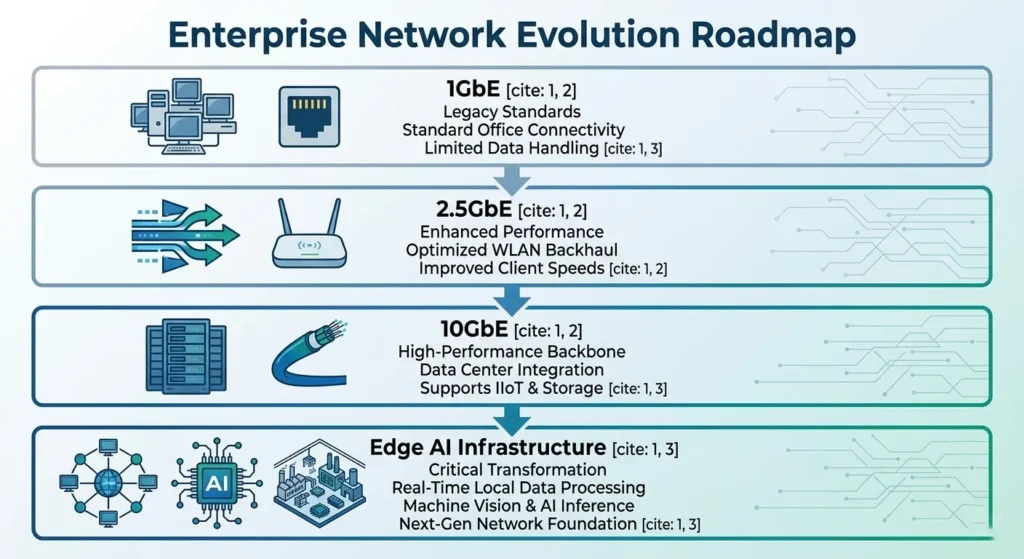
Rather than relying solely on 1GbE connections, businesses are increasingly adopting mixed-speed environments that combine:
- 1GbE
- 2.5GbE
- 5GbE
- 10GbE
This approach offers both flexibility and future scalability.
Why 2.5GbE Has Become Popular
2.5GbE provides a cost-effective upgrade path while utilizing existing cabling infrastructure in many environments.
Benefits include:
- Higher throughput
- Lower latency
- Improved wireless backhaul performance
- Better support for modern endpoints
Why 10GbE Is Becoming the New Backbone
10GbE enables organizations to handle significantly larger traffic volumes without introducing network bottlenecks.
Common use cases include:
- Data center connectivity
- Edge AI deployments
- Industrial computing
- Storage networking
- Security appliances
- Virtualization platforms
As hardware costs continue to decline, 10GbE adoption is accelerating across both enterprise and industrial environments.
Edge Computing Is Driving Network Modernization
Cloud computing transformed IT infrastructure over the past decade. However, many organizations are now recognizing that sending every workload to centralized cloud environments is not always practical.
This realization has accelerated the growth of edge computing.
What Is Edge Computing?
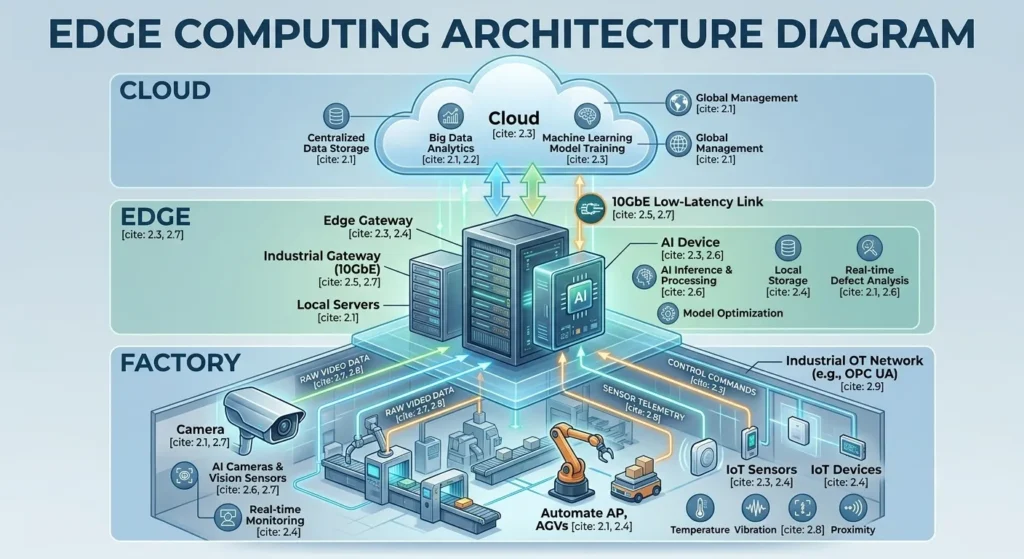
Edge computing places processing resources closer to where data is generated.
Instead of sending information to distant cloud servers, edge systems perform computation locally.
Advantages include:
- Reduced latency
- Improved reliability
- Enhanced security
- Lower bandwidth costs
- Faster decision-making
Examples of Edge Computing Deployments
Smart Manufacturing
Factories process machine data locally to improve production efficiency and reduce downtime.
Transportation Systems
Vehicle networks require real-time processing for safety and operational management.
Retail Analytics
Stores analyze customer behavior and inventory information at the edge.
Security Monitoring
Video surveillance systems process footage locally before transmitting selected data to central platforms. All these deployments benefit from high-performance networking capabilities.
Why Network Security Appliances Need More Performance

Cybersecurity threats continue to increase in sophistication.
Organizations are implementing:
- Next-generation firewalls
- Intrusion detection systems
- Intrusion prevention systems
- Secure VPN gateways
- Zero Trust architectures
- SD-WAN platforms
These technologies require significantly greater processing power and network bandwidth than traditional firewall solutions.
VPN Traffic Growth
Remote work remains a permanent reality for many organizations. VPN traffic volumes have increased dramatically, placing additional demands on security appliances.
Encrypted Traffic Inspection
Most internet traffic is encrypted.
Modern security platforms must decrypt, inspect, analyze, and re-encrypt data streams in real time.
This process consumes substantial computing resources.
East-West Traffic Visibility
Organizations increasingly need visibility into internal traffic moving between applications, users, and devices.
Multi-LAN architectures provide the segmentation necessary to support these security requirements.
Key Features Businesses Should Look For
When evaluating modern network appliances, organizations should focus on several critical capabilities.
Multi-LAN Connectivity
Multiple Ethernet ports enable:
- Network segmentation
- VLAN management
- SD-WAN deployment
- Traffic isolation
- Security zoning
10GbE SFP+ Expansion
Fiber connectivity supports:
- High-speed backbone connections
- Long-distance networking
- Data center integration
- Storage networking
Modern Intel Processors
Efficient processors deliver:
- Higher throughput
- Better virtualization support
- Lower power consumption
- Enhanced reliability
Rackmount Design
Rackmount systems offer:
- Easier deployment
- Better cooling
- Improved cable management
- Greater scalability
Remote Management
Enterprise deployments benefit from centralized monitoring and management capabilities.
Energy Efficiency
Modern platforms must balance performance with operational efficiency to reduce long-term costs.
Preparing for the Future of Edge Infrastructure

The next generation of business applications will place even greater demands on network infrastructure.
Emerging technologies include:
- Edge AI
- Private 5G networks
- Industrial automation
- Autonomous systems
- Smart cities
- Real-time analytics
These applications require network platforms capable of delivering:
- High bandwidth
- Low latency
- Strong security
- Flexible deployment options
Organizations that modernize their infrastructure today will be better positioned to support tomorrow’s workloads.
Conclusion
The transition from traditional Gigabit networking to high-performance edge infrastructure is well underway.
As businesses embrace AI, industrial IoT, cloud-edge integration, and advanced cybersecurity strategies, network appliances must evolve accordingly.
10GbE edge network appliances provide the bandwidth, scalability, and flexibility necessary to support modern digital operations.
For organizations planning future infrastructure investments, the question is no longer whether high-speed edge networking is needed—it is how quickly it can be deployed.
In the coming weeks, we will introduce a new rackmount edge computing platform designed specifically for modern network security, industrial networking, and edge computing applications. Stay tuned for more details.

Author: Nick Fu
Nick Fu is a B2B digital marketing specialist at HYSTOU, focusing on edge computing, 10GbE network appliances, industrial gateways, and firewall hardware. She creates industry insights for system integrators, IT engineers and enterprise infrastructure buyers.