We’ve all been there: you’re in the middle of a crucial project, video call, or deadline, and suddenly your computer freezes—screen stuck, mouse unresponsive, or worse, a blue screen of death (BSOD) pops up. For compact, high-integration Mini PCs, these crashes feel even more frustrating, as their small form factor seems to amplify such issues. But here’s the truth: no crash happens without a reason. Understanding the root causes and responding correctly is especially vital for Mini PCs. This article will provide you with a complete set of diagnoses, solutions, and prevention strategies to keep your device running smoothly.
Part 1: Common Culprits Behind Mini PCs Crashes
Poor Heat Dissipation – The No.1 Killer of Mini PCs
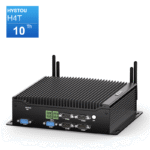
Mini PCs face a unique challenge: their limited internal space. When the heat dissipation design is subpar, air ducts get clogged with dust, or airflow is inadequate, CPUs and GPUs are prone to overheating. As temperatures spike, the system may either throttle performance to cool down or shut down abruptly to protect hardware. High-quality Mini PCs tackle this problem through thoughtful engineering: all-metal casiimproveoost hdissipationtion, intelligent temperature-controlled fans adjust spbased ong to load, and three-dimensional air duct systems optimize airflow—effectively keeping overheating at bay.
Software Conflicts & System Failures
Software-related issues stand out as another major cause of crashes. Incompatible device drivers, failed system updates, conflicting background programs, or virus/malware infections can all disrupt system stability. Even a single corrupted system file has the potential to trigger unexpected freezes or restarts. To minimize such risks, regularly update to stable software versions and rely on reliable security tools.
Hardware Failures or Aging
Loose or faulty RAM modules, bad sectors on solid-state drives (SSDs), and unstable power supply (especially when using non-standard adapters) are common hardware-related causes of crashes. Our Mini PCs prioritize quality from the outset: we use brand-name RAM and SSDs that undergo rigorous testing, paired with stable power adapters, to reduce hardware failure rates at the source. This commitment to premium components ensures long-term reliability.
Power Supply Issues
Insufficient power output, low-quality adapters, or sudden power outages can damage system files and lead to crashes. Using original or certified high-quality power adapters is critical—they deliver consistent voltage and offer protection against surges, safeguarding both hardware and data.
Hardware Resource Overload
Running too many resource-intensive programs at the same time can exceed the capacity of your RAM or CPU. When the system becomes overwhelmed, it may freeze or crash. Managing background processes and closing unused programs can significantly lower this risk.
Part 2: Step-by-Step Troubleshooting & Solutions
Step 1: Emergency "First Aid"
If possible, save your work immediately. If the system is unresponsive, perform a forced restart (hold the power button for 5-10 seconds). After restarting, check if the issue persists—occasional crashes may be a one-time glitch, but repeated ones demand further investigation.
Step 2: Diagnose Based on Scenarios
Scenario A: Frequent Crashes with a Hot Chassis
When your Mini PC’s chassis feels hot and crashes occur frequently, focus on cleaning dust from air ducts and fans. Additionally, check if the fans are functioning properly and improve the device’s placement—ensure it’s in a well-ventilated area, not blocked by other objects.
Scenario B: Crashes After Installing New Software/Drivers
If crashes start right after installing new software or drivers, boot into Safe Mode. From there, uninstall the recently installed software or roll back the drivers to a previous stable version.
Scenario C: Random Crashes with BSOD Codes
When random crashes happen alongside BSOD codes, record the specific code and search for its meaning. Utilize the system’s built-in Memory Diagnostic Tool to check RAM, and use CrystalDiskInfo to monitor the health of your SSD/HDD.
Scenario D: Crashes During Startup
If your Mini PC crashes during startup, try repairing startup items, resetting BIOS settings, or performing a system restore or reinstallation.
Step 3: General Optimization & Maintenance Tips
- Regularly clean disk space and defragment mechanical hard drives (this step is unnecessary for SSDs).
- Keep the operating system and drivers updated to stable versions—avoid beta updates unless necessary.
- Use legitimate security software to scan for malware and steer clear of suspicious downloads.
- Manage startup programs to reduce system load—disable unnecessary apps from launching on boot.
Part 3: How to Build a "Crash-Proof" Environment for Your Mini PC?
Develop Proper Usage Habits
Place your Mini PC in a well-ventilated area, away from high temperatures and humidity. Always use original or certified power adapters to ensure a stable power supply. Avoid moving the device while it’s running to prevent loose hardware connections.
Make Smart Hardware Selections
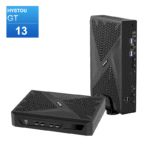
When purchasing a Mini PC, opt for a brand that prioritizes heat dissipation, premium components, and stable driver support—like ours. Our devices feature efficient silent cooling systems, strict compatibility testing, a high-quality component supply chain, and dedicated after-sales technical support, ensuring reliable performance for years to come.
Our Commitment
We understand that stability is non-negotiable for Mini PC users. That’s why every unit undergoes rigorous testing for heat resistance, hardware compatibility, and power stability. Our after-sales team is always available to assist with troubleshooting, providing peace of mind for every user.
Conclusion
While computer crashes are frustrating, they’re almost always traceable. With scientific troubleshooting and regular maintenance, your Mini PC can run stably for the long term. Ultimately, choosing a scientifically designed, high-quality Mini PC is the foundation of a smooth experience. We’re dedicated to providing you with not just a compact and powerful device, but a reliable companion for your digital life.
Discover more about how our Mini PCs eliminate crash risks through innovative design, or contact us for a customized configuration plan tailored to your needs.
HYSTOU has established its R&D headquarters in Shenzhen, drawing on over a decade of experience. Our core team members, who previously served at renowned companies such as Inventec and Quanta Computer, form the backbone of our technical expertise. With robust R&D and innovation capabilities, we remain steadfast in our commitment to pursuing excellence in the field of technology products.