Mini PCs in Digital Signage: The Ultimate Guide to Compact, High-Performance Displays

The Rise of Mini PCs in Digital Signage
In today’s fast-paced digital world, businesses are constantly seeking innovative ways to engage customers and deliver dynamic content. Digital signage has emerged as a powerful tool for brands to communicate with their audience, from retail stores and restaurants to corporate offices and public spaces. At the heart of these systems lies the digital signage player, a compact yet powerful computer that drives the visual content displayed on screens.
Mini PCs have become increasingly popular as digital signage players due to their small form factor, energy efficiency, and powerful performance. These devices offer a cost-effective and space-saving solution for businesses looking to deploy digital signage networks without compromising on quality or functionality.
Why Choose a Mini PC for Digital Signage?
1. Compact Size, Maximum Impact
One of the key advantages of mini PCs is their compact form factor, which enables them to be easily mounted behind displays or discreetly hidden in tight spaces. This makes them ideal for use in environments where space is limited, such as retail stores, restaurants, and public transportation hubs.
Despite their small size, mini PCs are packed with powerful hardware that can handle high-resolution video, dynamic content, and real-time data processing. This means businesses can deliver stunning visuals and engaging content to their audience without the need for bulky and expensive hardware.
2. Energy Efficiency, Cost Savings
Mini PCs are designed to be energy-efficient, consuming significantly less power than traditional desktop computers. This not only helps businesses reduce their carbon footprint but also lowers their energy bills, making mini PCs a cost-effective solution for long-term use.
In addition to their energy efficiency, mini PCs are also low-maintenance, with no moving parts that can wear out or break down. This means businesses can save on maintenance costs and reduce downtime, ensuring their digital signage networks are always operational.
3. Versatility, Scalability
Mini PCs are highly versatile, with a wide range of connectivity options that allow them to be integrated with a variety of displays, sensors, and other devices. This makes them suitable for use in a variety of applications, from simple digital menu boards to complex interactive kiosks.
Furthermore, mini PCs are scalable, meaning businesses can easily expand their digital signage networks as their needs grow. Whether they need to add more displays, upgrade their hardware, or integrate new software, mini PCs can be easily customized to meet their specific requirements.
Key Features to Look for in a Mini PC for Digital Signage
1. Processor Performance
The processor is the heart of any computer, and it’s especially important for digital signage players that need to handle high-resolution video and dynamic content. Look for a mini PC with a powerful processor that can handle multiple tasks simultaneously, such as video playback, data processing, and network communication.
Intel’s Alder Lake-N and Jasper Lake processors are popular choices for digital signage applications, offering a balance of performance and energy efficiency. These processors feature multiple cores and threads, allowing them to handle even the most demanding digital signage workloads.
2. Graphics Capabilities
Digital signage relies heavily on graphics, so it’s important to choose a mini PC with a powerful graphics card that can deliver high-resolution video and smooth animations. Look for a mini PC with integrated graphics or a dedicated graphics card that supports 4K resolution and HDR.
Intel’s UHD Graphics and Iris Xe Graphics are popular choices for digital signage applications, offering excellent performance and support for multiple displays. These graphics cards can handle up to 4K resolution at 60Hz, ensuring stunning visuals and smooth playback.
3. Connectivity Options
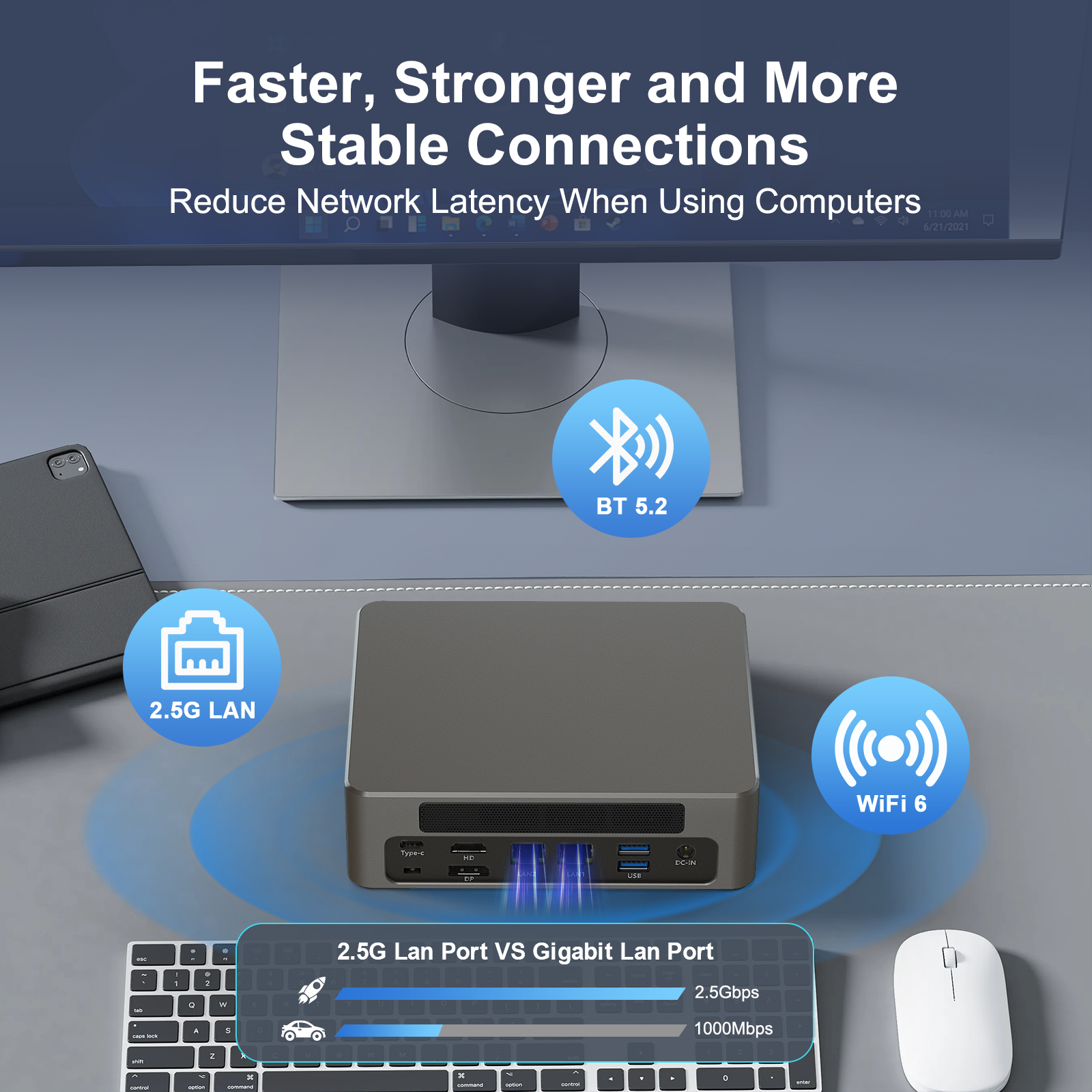
Digital signage players need to be connected to a variety of devices, including displays, sensors, and networks. Look for a mini PC with a wide range of connectivity options, such as HDMI, DisplayPort, USB, Ethernet, and Wi-Fi.
HDMI and DisplayPort are the most common video interfaces for digital signage, allowing you to connect your mini PC to a variety of displays, including LCD, LED, and OLED screens. USB ports are useful for connecting external storage devices, keyboards, and mice, while Ethernet and Wi-Fi provide network connectivity for remote management and content updates.
4. Storage Capacity
Digital signage players need to store large amounts of content, including videos, images, and software. Look for a mini PC with sufficient storage capacity, such as an SSD or HDD, to store your content and ensure fast access times.
SSDs are faster and more reliable than HDDs, making them ideal for digital signage applications where speed and performance are critical. However, HDDs offer more storage capacity at a lower cost, making them a good choice for businesses that need to store large amounts of content.
5. Operating System Compatibility
Digital signage software is available for a variety of operating systems, including Windows, Linux, and Android. Look for a mini PC that is compatible with the operating system of your choice, ensuring seamless integration with your existing software and hardware.
Windows is the most popular operating system for digital signage, offering a wide range of software and hardware compatibility. Linux is a popular choice for businesses that need a secure and stable operating system, while Android is ideal for interactive kiosks and touchscreen displays.
Best Practices for Deploying Mini PCs in Digital Signage
1. Choose the Right Location
When deploying mini PCs in digital signage networks, it’s important to choose the right location for each device. Consider factors such as temperature, humidity, and ventilation, as well as the accessibility of the device for maintenance and updates.
Mini PCs should be placed in a well-ventilated area to prevent overheating, and they should be protected from dust, moisture, and other environmental factors. It’s also important to ensure that the device is easily accessible for maintenance and updates, such as software upgrades and content updates.
2. Optimize Content for Performance
To ensure optimal performance of your digital signage network, it’s important to optimize your content for the hardware and software you’re using. This includes compressing videos, optimizing images, and using efficient codecs to reduce file size and improve playback performance.
In addition, it’s important to test your content on the actual hardware and software you’re using to ensure it plays correctly and looks good. This will help you identify any issues before deploying your content to your digital signage network.
3. Implement Remote Management
Remote management is essential for digital signage networks, allowing you to monitor and control your devices from anywhere in the world. Look for a mini PC that supports remote management software, such as Intel Active Management Technology (AMT) or Microsoft System Center Configuration Manager (SCCM).
Remote management software allows you to monitor the status of your devices, update software and firmware, and troubleshoot issues remotely. This can help you reduce downtime and improve the overall performance of your digital signage network.
4. Ensure Security
Digital signage networks are vulnerable to security threats, such as hacking, malware, and data breaches. To ensure the security of your network, it’s important to implement a variety of security measures, such as firewalls, antivirus software, and encryption.
In addition, it’s important to keep your software and firmware up to date to ensure that any security vulnerabilities are patched. You should also restrict access to your network and devices, using strong passwords and authentication methods to prevent unauthorized access.
The Future of Digital Signage with Mini PCs
Mini PCs have revolutionized the digital signage industry, offering a compact, energy-efficient, and powerful solution for businesses looking to engage customers and deliver dynamic content. With their small form factor, powerful hardware, and versatile connectivity options, mini PCs are ideal for use in a variety of applications, from simple digital menu boards to complex interactive kiosks.
As technology continues to evolve, we can expect to see even more advanced mini PCs with improved performance, graphics capabilities, and connectivity options. This will enable businesses to deliver even more stunning visuals and engaging content to their audience, creating new opportunities for customer engagement and brand awareness.
If you’re looking to deploy a digital signage network, consider using a mini PC as your digital signage player. With their many advantages, mini PCs are the perfect choice for businesses looking to stay ahead of the curve in the digital signage industry.

HYSTOU
HYSTOU has established its R&D headquarters in Shenzhen, drawing on over a decade of experience. Our core team members, who previously served at renowned companies such as Inventec and Quanta Computer, form the backbone of our technical expertise. With robust R&D and innovation capabilities, we remain steadfast in our commitment to pursuing excellence in the field of technology products.